13 – 15 May 2025, Srebrna Gora (PL)
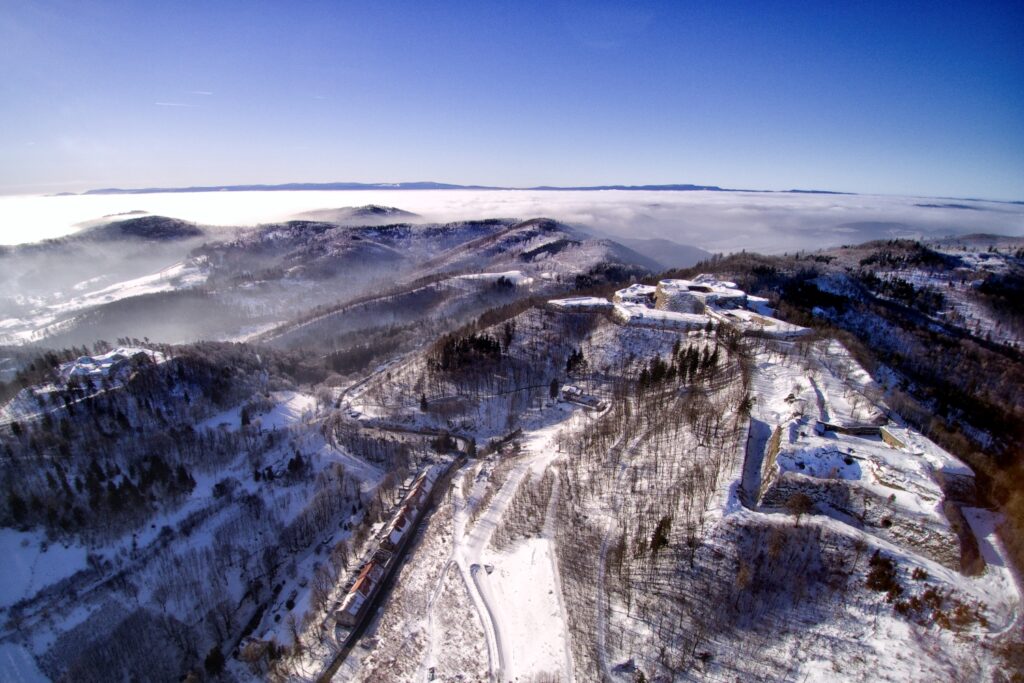
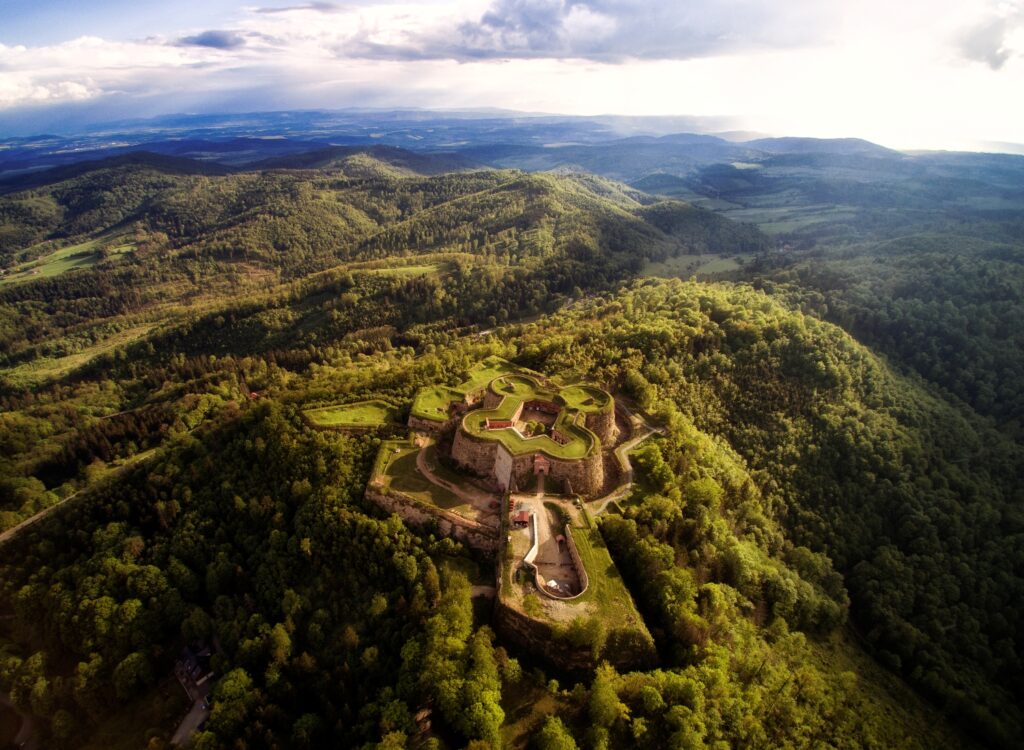
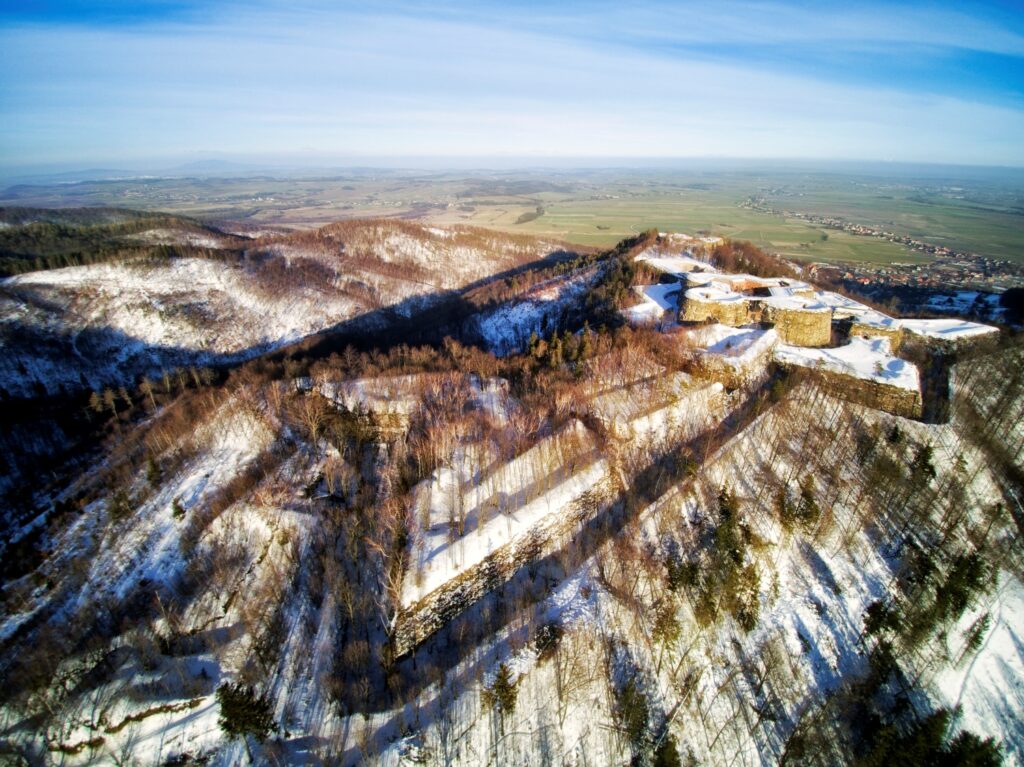
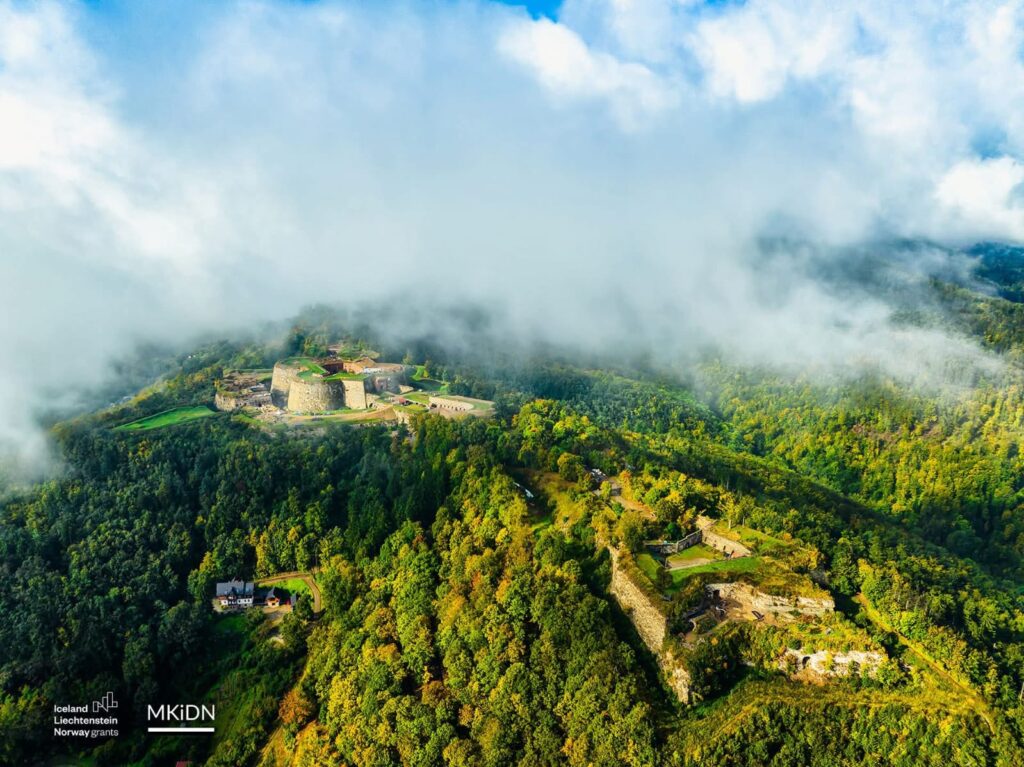
From 13 to 15 May, an international workshop on the management of UNESCO sites will be held at the Silberberg Fortress.
The event is linked to the fortress’s application for inclusion in the UNESCO World Heritage List.
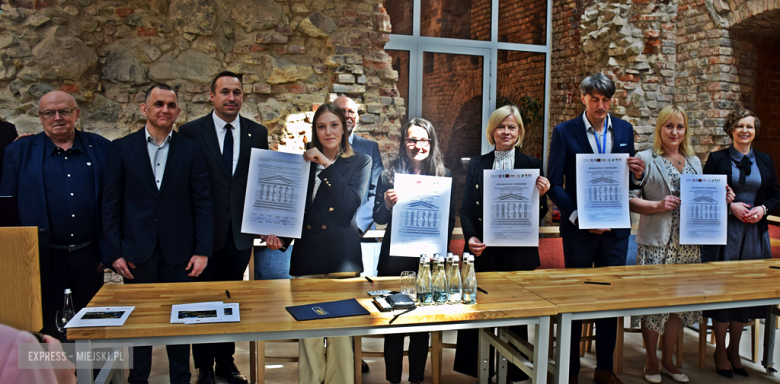
On 14 May, during the official part of the meeting, a cooperation agreement was signed in the presence of key representatives of local, regional and national authorities between the partners of the mountain fortresses of Poland, Germany and Italy: Silberberg Fortress, Königstein Fortress, Fenestrelle Fortress and Rocca d’Anfo Fortress.
The nomination of the serial entry entitled ‘Modern mountain fortresses as examples of the transformation of mountain massifs for military purposes’ formally unites the partners in their joint efforts to be included in the UNESCO World Heritage List.
In 2024, the candidacy of the Silberberg Fortress received a positive opinion from the World Heritage Committee in Poland regarding the assessment of the potential universal value of the property, paving the way for the submission of preliminary documentation to UNESCO headquarters in Paris. Currently, 17 Polish sites are on the UNESCO World Heritage List.
The event was attended by: Minister Bożena Żelazowska – State Secretary at the Ministry of Culture and National Heritage, General Conservator of Monuments; Paweł Gancarz – Marshal of the Lower Silesian Voivodeship; Daniel Gibski – Conservator of Monuments of the Lower Silesian Voivodeship; Professor Bogusław Szmygin – President of the Polish National Committee of ICOMOS; and Filippo Cailotto – President of FORTE CULTURA, an international network of cultural trails for fortress monuments.
The partner fortresses are represented by:
- André Thieme – President of the Königstein Fortress Society (Germany),
- Dr Markus Bitterlich – Head of Communications at the Königstein Fortress Museum,
- Dr Eva Bettis-Schinker – World Heritage Officer at the Saxony State Office for the Preservation of Historical Monuments,
- Anna Canonico – Representative of the Association for the Preservation of the Fenestrelle Fortress (Italy),
- Letizia Simoni – Representative of the Rocca d’Anfo Fortress (Italy),
- Gaia Righetti – Representative of the Sabbiatal Mountain Tourism Office and the Rocca d’Anfo Fortress (Lombardy, Italy).
Long-standing technical support for the nomination process is provided by:
Prof. Piotr Molski and Dr Marcin Górski from the Faculty of Architecture at the Warsaw University of Technology, Prof. Grzegorz Podruczny from the Faculty of History at the Adam Mickiewicz University in Poznań, and Dr Katarzyna Pałubska from the Institute of Art History at the UKSW – coordinator of the series contribution.
The invited guests were welcomed by Emilia Pawnuk, chairwoman of the Twierdza Srebrna Góra company, and Katarzyna Ruszkowska, mayor of Stoszowice.
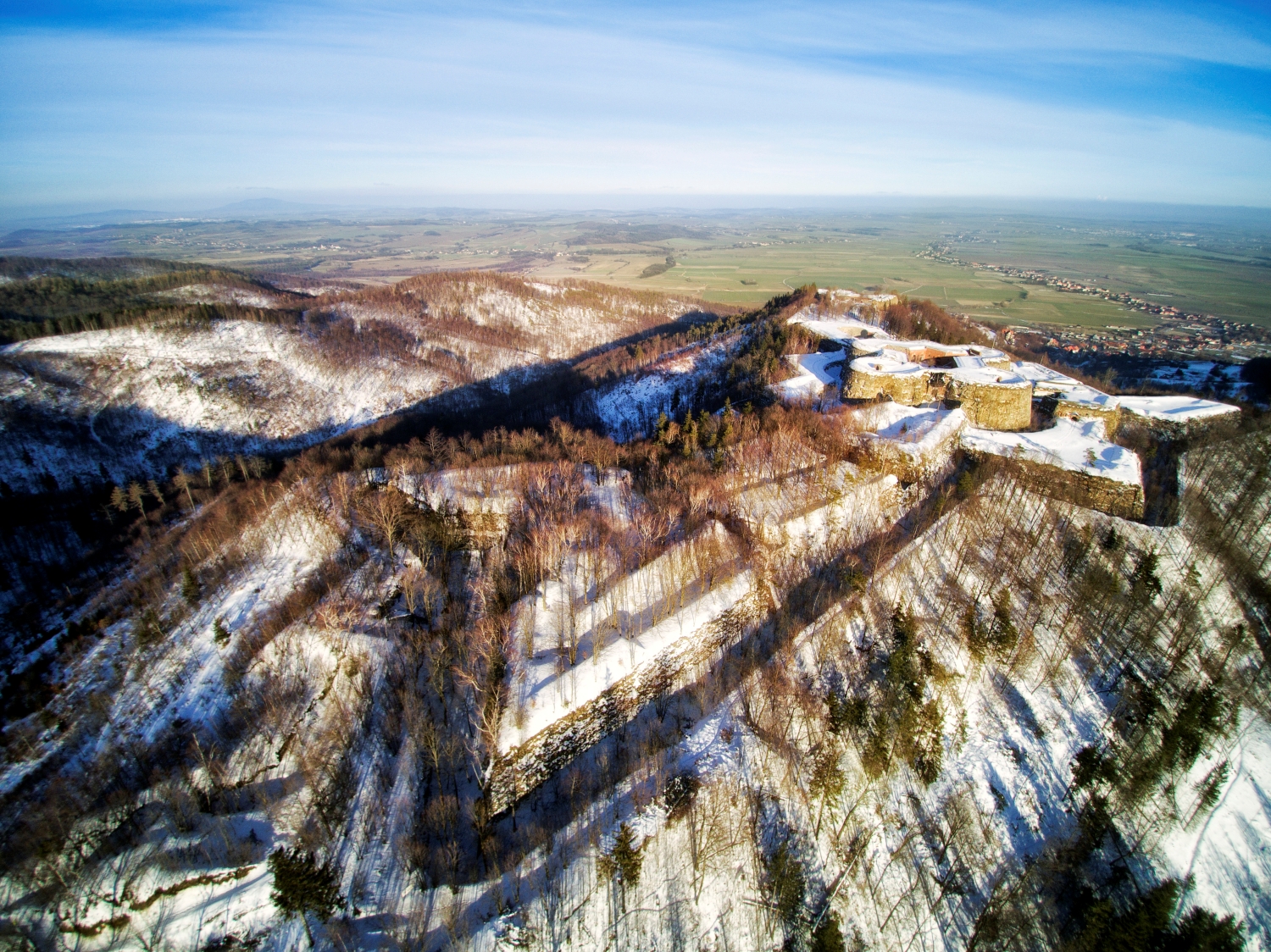
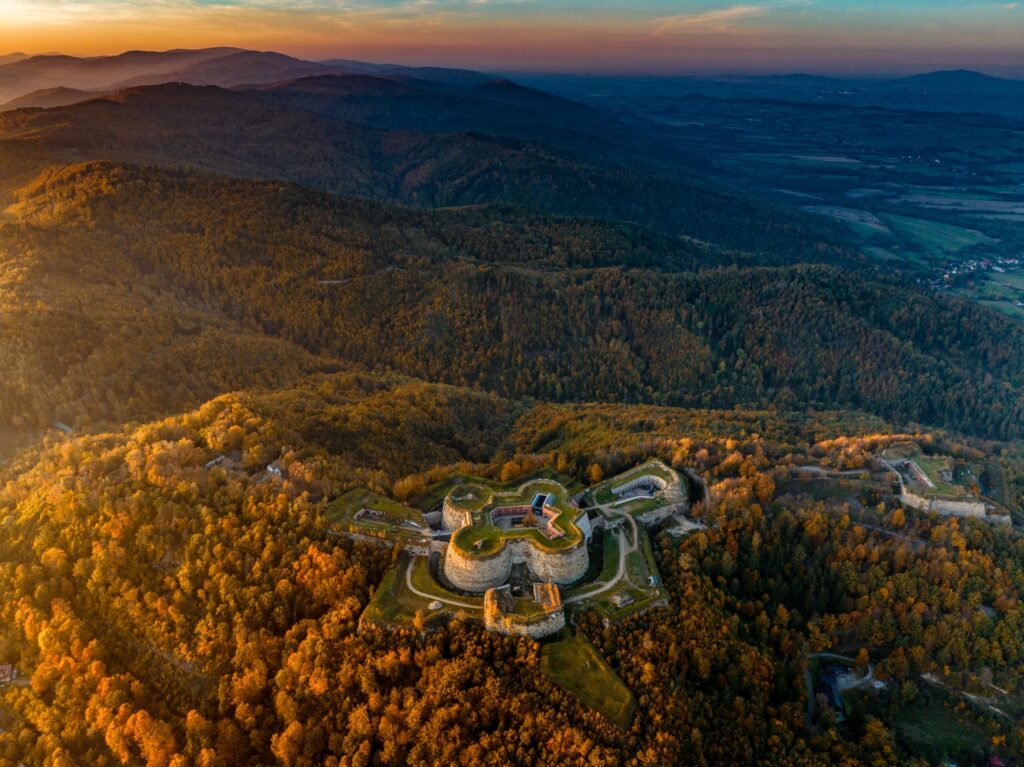
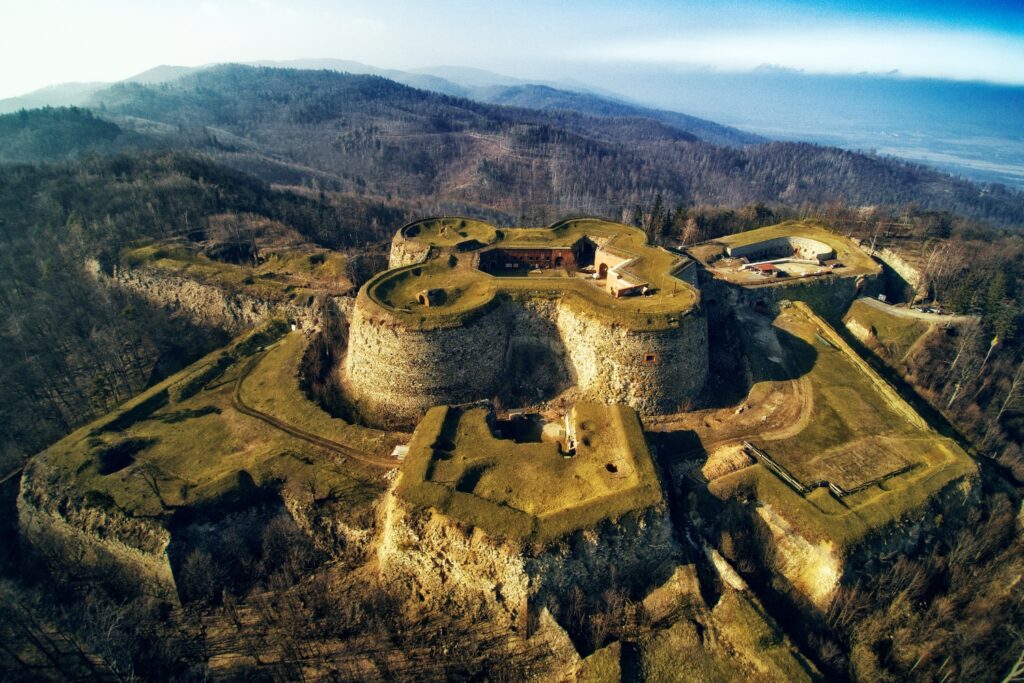
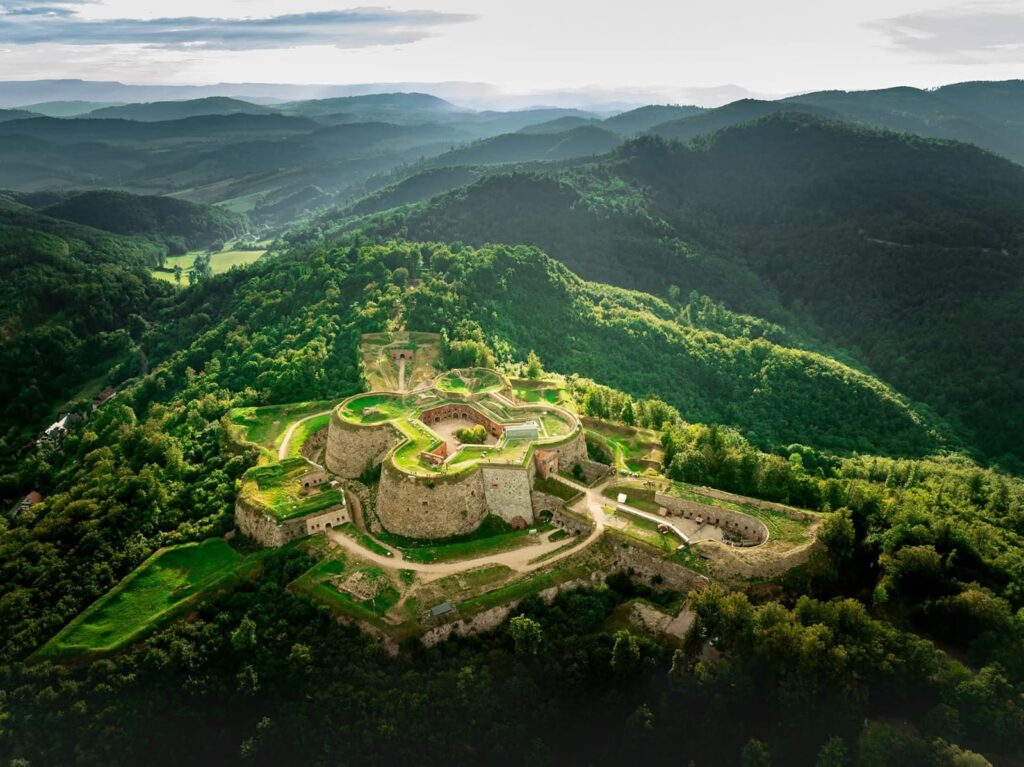
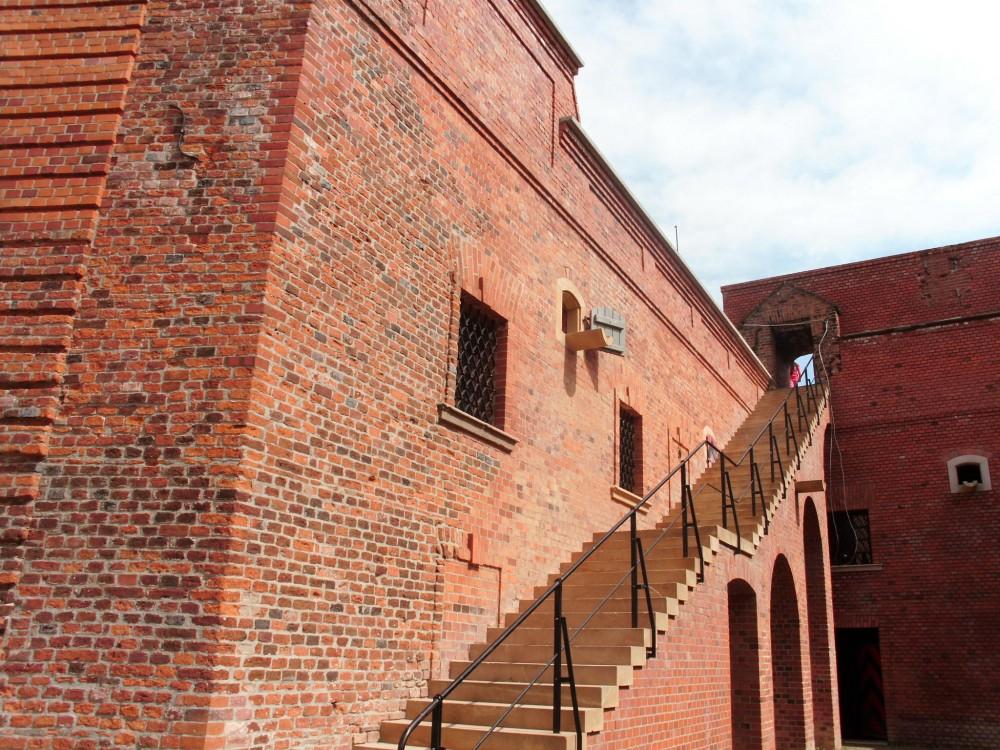
The director of Twierdza Srebrna Góra presented the history of the complex to the assembled guests and pointed out that it is a unique site in the context of European cultural heritage. “The size of the entire complex and its location on the mountain peaks make it possible to count the fortress among the largest mountain defence structures on our continent. At the time of its construction, it was one of the most modern not only in Prussia, but in all of Europe. One of its advantages is that it has retained its original form, which has not been obscured by later modernisations and developments […],” she said.
Mayor Katarzyna Ruszkowska said that cultural, natural and landscape heritage knows no boundaries and has no political colours, but it does know one language – the language of sensitivity. ‘You are the people who possess this sensitivity,’ she said, addressing the invited guests. She also mentioned the commitment of Paweł Gancarz, the former mayor and current marshal of the province, to the development of the facility, despite objections from the population. She also highlighted the important role played by Emilia Pawnuk, the president of the company, and Grzegorz Basiński. ‘It is these people who have taken on this effort and burden, and together we are not pushing a cart, but a wheelbarrow. A wheelbarrow with which huge piles of earth and shrubs had to be removed and the building rebuilt stone by stone. I thank you very much for this […],’ emphasised the head of the office in Stoszowice.
Both the mayor and Marshal Paweł Gancarz mentioned the extensive co-financing funds that have been allocated in recent years for the implementation of the work on the fortress and its expansion. This amounts to more than PLN 63 million.
Now the next challenge faces the Silberberg Fortress – its inclusion on the UNESCO list. Although this is a process that will take several years, given the determination of those involved in the process, the question is not whether it will be successful, but when.
Other speakers in the first part of the meeting were Prof. Bogusław Szmygin, who gave a lecture entitled ‘Serial nominations on the UNESCO World Heritage List’, and Prof. Grzegorz Podruczny, who presented a comparative analysis of mountain peaks on the UNESCO World Heritage List.
This was followed by the signing of partnership agreements for inscription on the UNESCO World Heritage List, and after a short break, further presentations and workshops will take place. Participants are discussing a system for preserving and managing cultural heritage that combines institutional structures, instruments and management processes to effectively protect sites of exceptional value. It is crucial to understand the value of cultural heritage, analyse the factors that influence its authenticity and sustainability, and integrate the measures into local and regional policy.
The second, closed part of the workshop is dedicated to the development of an integrated management system for mountain fortresses and the joint work of experts on reviewing the draft application for the UNESCO information list, which will soon be submitted to the Polish Ministry of Culture and National Heritage and included in the national information lists of Poland, Germany and Italy.
em24.pl




 English
  Polish